• Close
      Toggle search input

    [TEA_25-26_T5] SNC2D ...

    Close
    Toggle search input
    1. Courses
    2. [TEA_25-26_T5] SNC2D Science Grade 10 by Mr. Vanasco
    • WELCOME!

      • Teacher: Mr. J. Vanasco

        Teacher's email: 

        Class Schedule: Mon-Fri 1:00 PM to 4:15 PM

        Break Time: 2:30 PM - 2:45 PM

        Extra Help: I am available for extra help between Monday 4:15pm - 5:15pm.


      •  Announcements Forum

        Course and counsellor evaluation:     https://moodle.edu4u.ca/mod/feedback/view.php?id=240582

        Addy:    https://moodle.edu4u.ca/mod/feedback/view.php?id=209160

        Anne:   https://moodle.edu4u.ca/mod/feedback/view.php?id=209165

        Christine:   https://moodle.edu4u.ca/mod/feedback/view.php?id=209170 ;

      •  Optics Presentation Dropbox Assignment
    • COURSE ORIENTATION
      COURSE ORIENTATION
    • COURSE AGREEMENT
      COURSE AGREEMENT

      COURSE AGREEMENT

      Students must read and agree to the following procedures and policies before starting the course.

    • COURSE LEARNING COMMUNITY
      COURSE LEARNING COMMUNITY

      COURSE LEARNING COMMUNITY

      Add a Pre-Learning Assessment (Quiz/Assignment) (FOR) in this section.

    • Unit 1 - Biology (40 Hours)

      Students will demonstrate an understanding of hierarchies in biology, from intracellular to organ system levels of organization. Through processes of inquiry and independent investigation, they will use the scientific method and other skills of criticism and appraisal to apprehend cell division, specialization, and structure and function of tissues, organs and organ systems in plant and animal kingdoms. They will consider social, ethical and ecological implications of biological and biomedical advancements in this multidisciplinary field of study.
      Unit 1 - Biology (40 Hours)
      • Lesson 1.1- Characteristics of Life
        Lesson 1.1- Characteristics of Life

        Lesson 1.1- Characteristics of Life

        Guiding Questions:What are the basic building blocks of life?Do living things have all the characteristics of life? Explain with examples.Can non-living things still have one or more of the characteristics of life? Give an example

      • Lesson 1.2: Organelles
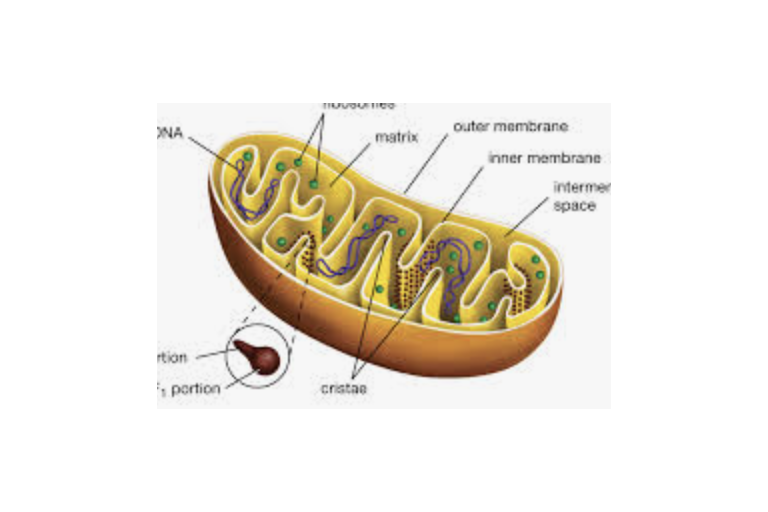
        Lesson 1.2: Organelles

        Lesson 1.2: Organelles

        Guiding Questions:How is the structure of each organelle related to its function?How do organelles work together to perform the characteristics required for life?​What are benefits of each type of cell?Why can eukaryotic cells perform a wider variety of functions?

      • Lesson 1.3: Cell Specialization
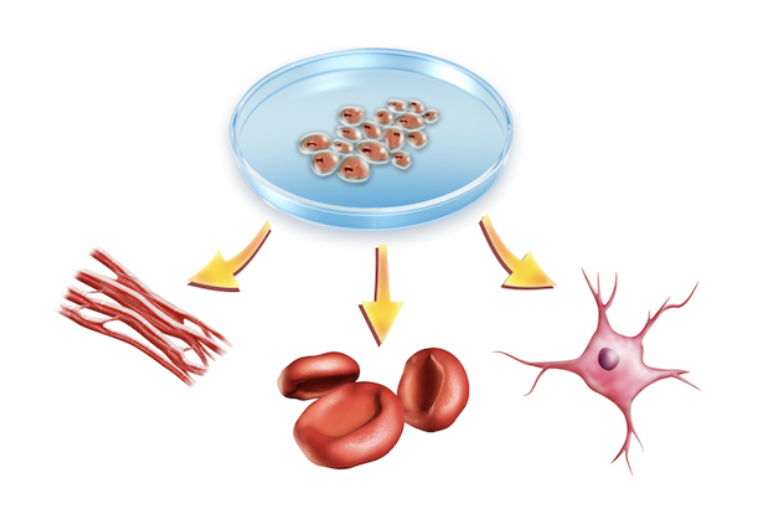
        Lesson 1.3: Cell Specialization

        Lesson 1.3: Cell Specialization

        Guiding Questions:How does structure relate to function in specialized cells?How do cells that contain the same DNA/genetic material become specialized into different cell types?What is the significance of stem cells?

      • Lesson 1.4: Tissue
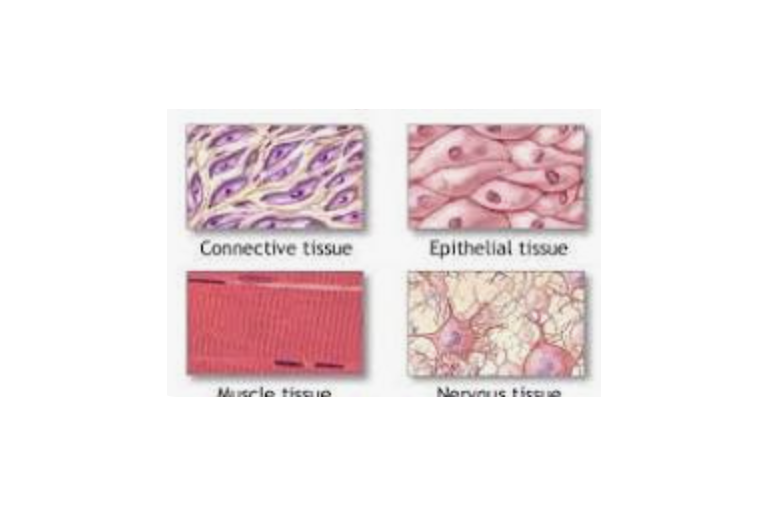
        Lesson 1.4: Tissue

        Lesson 1.4: Tissue

        Guiding Questions:What are the 4 main types of tissues?How are the structures of the 4 main types of tissues fundamentally different?Compare and contrast the roles of various tissues with their structures?

      • Lesson 1.5: Cell Cycle & Mitosis
        Lesson 1.5: Cell Cycle & Mitosis

        Lesson 1.5: Cell Cycle & Mitosis

        Guiding Questions:​What is the importance of cell division in living organisms? Interphase is often referred to as the resting phase, is this appropriate?What is the main characteristic of each stage of mitosis?What differences occur between plant and animal cells during division?What biological processes rely on mitosis?

      • Lesson 1.6: Organ System
        Lesson 1.6: Organ System

        Lesson 1.6: Organ System

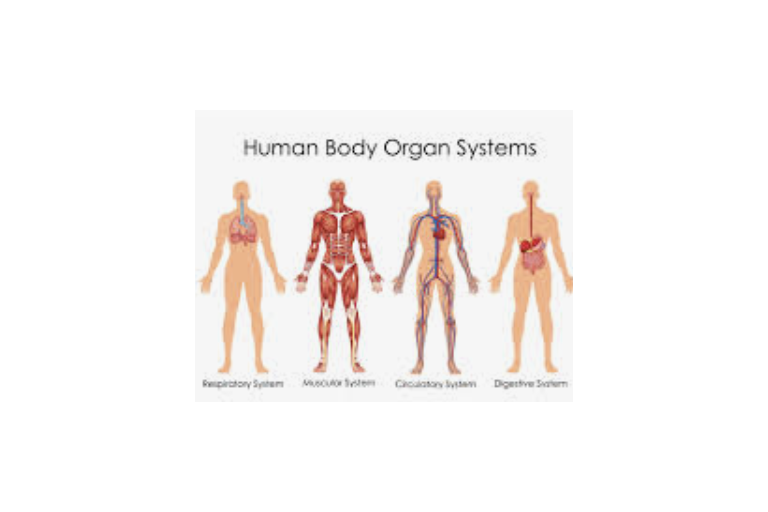
        Guiding Questions:What is the hierarchy or organization in living things?​What is the main role of each organ system & its major organs?​How do organ systems rely on each other in order to function?Describe the main interaction points between systems?

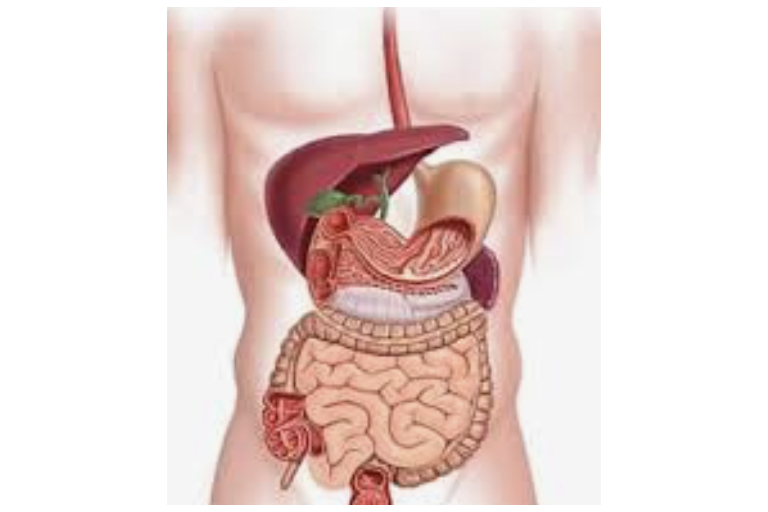
      • Lesson 1.7: Digestive system
        Lesson 1.7: Digestive system
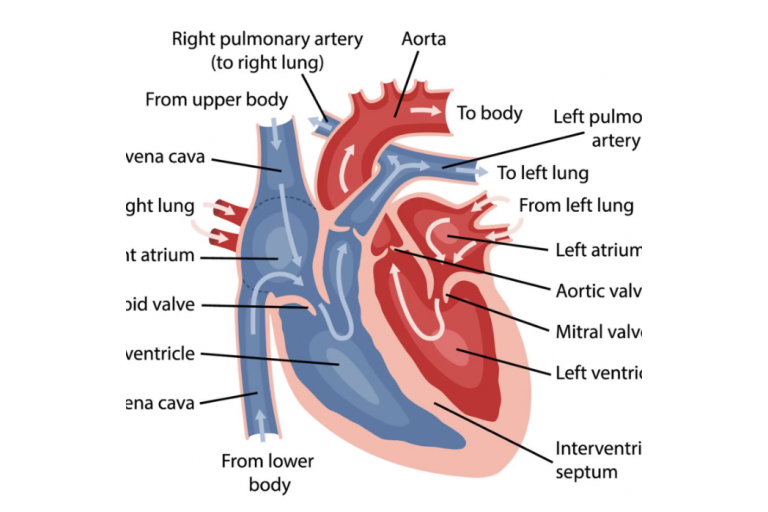
      • Lesson 1.8: Circulatory System
        Lesson 1.8: Circulatory System
      • Unit 2: Chemistry (30 hours)

        Students will demonstrate an understanding of how light behaves and how its properties can be changed using mirrors and lenses. They will also explore how the development of different optical devices and technologies has benefited society in various ways.
        Unit 2: Chemistry (30 hours)
        • Lesson 2.1: Elements, Atoms & The Periodic Table
          Lesson 2.1: Elements, Atoms & The Periodic Table

          Lesson 2.1: Elements, Atoms & The Periodic Table

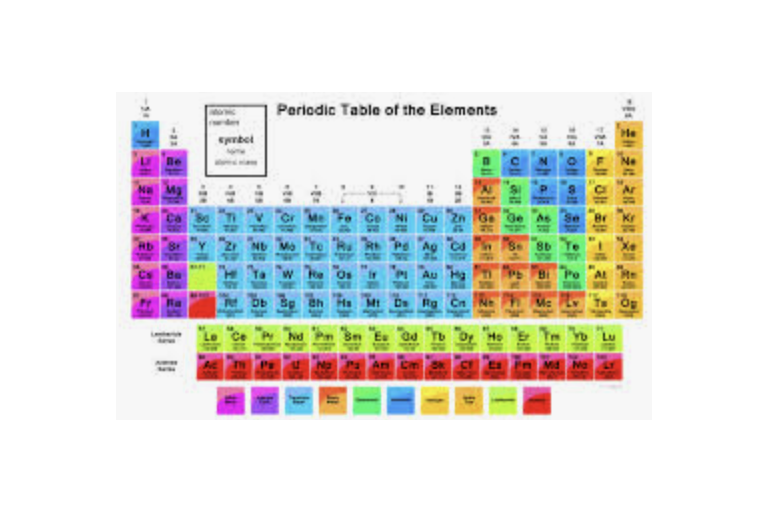
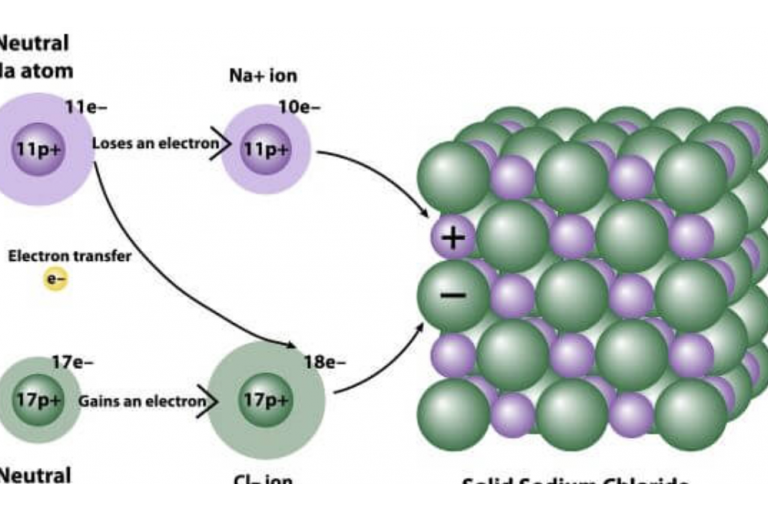
          Guiding Questions:What trends can be found in the groups/families and periods of the periodic table?​What is the key determinant in characteristic element behaviour?What are the key characteristics of each type of subatomic particle?Why do atoms form ions?

        • Lesson 2.2: Ionic Compounds
          Lesson 2.2: Ionic Compounds

          Lesson 2.2: Ionic Compounds

          Guiding Questions:What are the rules for naming ionic compounds?What are the rules for writing an ionic formulae?What types of elements are involved in ionic bonds?

        • Lesson 2.3: Covalent Compounds
          Lesson 2.3: Covalent Compounds

          Lesson 2.3: Covalent Compounds

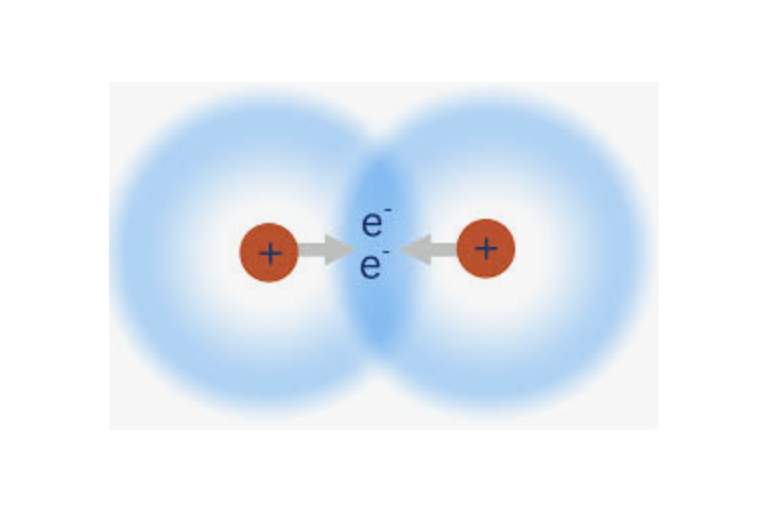
          Guiding Questions:What are the rules for naming covalent compounds?What are the rules for writing a covalent formulae?What types of elements are involved in covalent bonds?

        • Lesson 2.4: Balance Chemical Equations
          Lesson 2.4: Balance Chemical Equations

          Lesson 2.4: Balance Chemical Equations

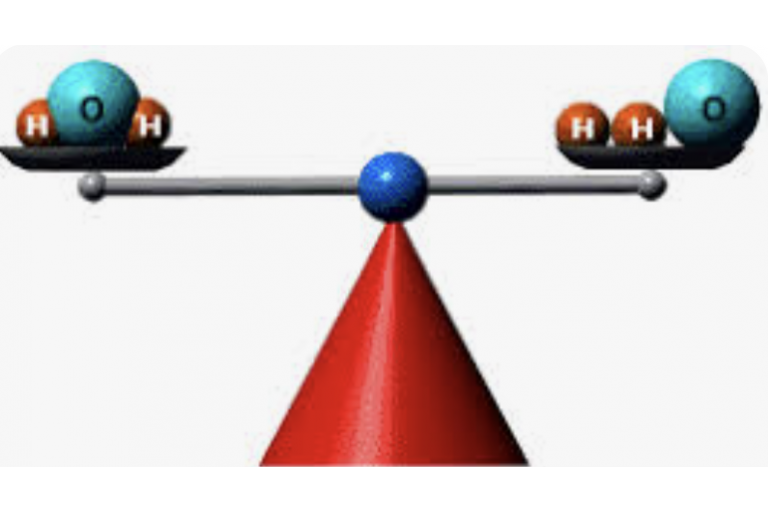
          Guiding Questions:What are the main components of a chemical reaction?What is the difference between a word equation and a chemical equation?How can the law of conservation of mass be used to rationalize the need to balance chemical equations?What steps should be followed when balancing equations?

        • Lesson 2.5: Types of Chemical Reactions
          Lesson 2.5: Types of Chemical Reactions

          Lesson 2.5: Types of Chemical Reactions

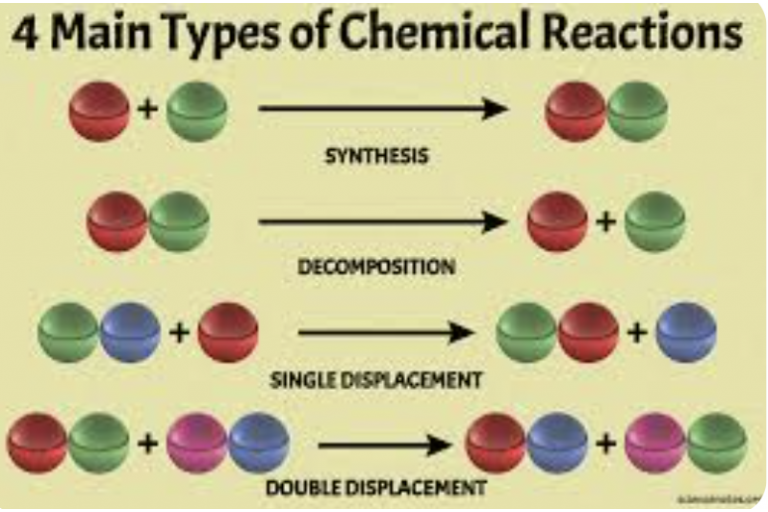
          Guiding Questions:What type of products and reactants are present for each type of chemical reaction?How can the product be predicted based on the reactants?

        • Lesson 2.6: Acid and Base
          Lesson 2.6: Acid and Base

          Lesson 2.6: Acid and Base

          Guiding Questions:​What makes a solution acidic or basic?Describe the process of neutralizationHow are acids and bases named?

        • Unit 3: Optics

          Students will be able to evaluate the effectiveness of technological devices and procedures designed to make use of light, and assess their social benefits. Investigate, through inquiry, the properties of light, and predict its behaviour, particularly with respect to reflection in plane and curved mirrors and refraction in converging lenses. Demonstrate an understanding of various characteristics and properties of light, particularly with respect to reflection in mirrors and refraction in lenses.
          Unit 3: Optics
          • Lesson 3.1: Properties of Light
            Lesson 3.1: Properties of Light

            Lesson 3.1: Properties of Light

            Guiding Questions:What is the key characteristic of each main method of light production?What is a pro/con for each method of light emission?Give examples of uses f​or the various portions of the electromagnetic spectrum?How are wavelengths and energy levels related?

          • Lesson 3.2: Reflection (Plane Mirrors)
            Lesson 3.2: Reflection (Plane Mirrors)

            Lesson 3.2: Reflection (Plane Mirrors)

            Guiding Questions:What does the law of reflection state?What is the difference between diffuse & specular reflection?What are the SALT characteristics of images in plane mirrors?

          • Lesson 3.3: Reflection (Curved Mirror)
            Lesson 3.3: Reflection (Curved Mirror)

            Lesson 3.3: Reflection (Curved Mirror)

            Guiding Questions:How can the curved mirror equation be used to predict the characteristics of an image?What are the rules when drawing a ray diagram for a curved mirror (concave and convex)?

          • Lesson 1.9 -Acid and Base Intro
            Lesson 1.9 -Acid and Base Intro

            Lesson 1.9 -Acid and Base Intro

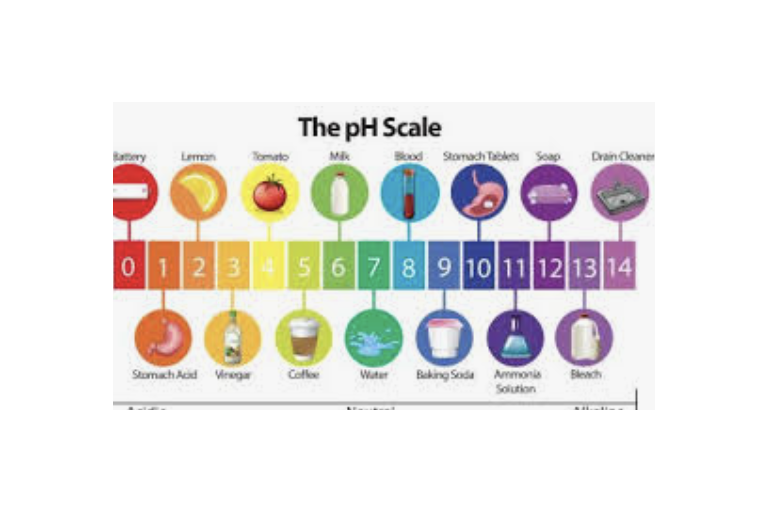
            Learning Goals: By the end of this lesson you will be able to Acid and Base intro concept pH Scale and what does the value mean Some common household materials and their pH range Success Criteria: By the end of this lesson you will be able toĀ· Acids are molecular compounds. In solutions, acids react with metals, conduct electricity, and change the colours of acidāˆ’base indicators. Ā· Acids may be binary acids (HCl(aq), HBr(aq)) or oxyacids (HNO3(aq), H2SO4(aq)). Ā· Bases are ionic compounds. Many are hydroxides. In aqueous solutions, they conduct electricity and change the colours of acidāˆ’base indicators. Ā· Acidāˆ’base indicators show whether a solution is acidic or basic. Ā· pH describes the acidity or basicity of a solutionAssignments / Homework: AS ASSESSMENT (Observation and conversation) 1. CW-1-SNC2D-Lesson#1.9- Acids and Bases NOTE CW 2-Textbook questions [Chapter 5 Pg#218 Q 2, to 11 ] Ā· FOR assessment HW-SNC2D-Lesson 1.9-Acid and Base

          • Lesson 1.10 &11 pH Lab & Neutralization reaction and Midterm Presentation prep
            Lesson 1.10 &11 pH Lab & Neutralization reaction and Midterm Presentation prep

            Lesson 1.10 &11 pH Lab & Neutralization reaction and Midterm Presentation prep

            Learning Goals: By the end of this lesson you will be able toMention pH Scale and what does the value mean Neutralization reaction Formation and Effect of acid rain Success Criteria: By the end of this lesson you will be able toĀ· Principle of Neutralization reaction and example of this reaction in our daily life. Ā· pH describes the acidity or basicity of a solution Ā· Solutions with a pH of 7 are neutral. The lower the pH, the more acidic the solution. The higher the pH, the more basic the solution Ā· Solutions that are highly basic or highly acidic are corrosive and reactive. They must be handled with caution. Ā· Living things are sensitive to small pH changes in their environment. Acid rain impact on ecosystem.Assignments / Homework: AS ASSESSMENT (Observation and conversation) News reporter role-playing (15 marks) Ā· OF assessment (10x3= 30 marks) Quiz 5.1 Acids and Bases Quiz 5.2 Neutralization Reactions Chapter 5 Review Quiz

          • Unit 3 - Physics (24 hours)

            Unit Description:In this unit, students will demonstrate an understanding of various characteristics and properties of light, with particular attention to reflection and refraction. They will develop ways of communicating predictions and observed results mathematically, verbally and graphically. Through processes of inquiry and independent investigation, they will use the scientific method and other skills of criticism and appraisal to determine properties of light and predict its behavior on and through various media, including various reflective shapes and lenses. They will discuss the technological devices and procedures designed to make use of light, and appraise the social implications of these innovations.Overall Expectations:E1. evaluate the effectiveness of technological devices and procedures designed to make use of light, and assess their social benefits;E2. investigate, through inquiry, the properties of light, and predict its behaviour, particularly with respect to reflection in plane and curved mirrors and refraction in converging lenses;E3. demonstrate an understanding of various characteristics and properties of light, particularly with respect to reflection in mirrors and reflection and refraction in lenses.Unit Goals:By the end of this unit, you will be able to answer following question:How do mirrors form images?How does light behave as it travels from one medium into another? How do lenses produce images, and how do lenses benefit humans?
            Unit 3 - Physics (24 hours)
            • Not available
            • Lesson 2.1-SNC2D Midterm project final prep
              Lesson 2.1-SNC2D Midterm project final prep

              Lesson 2.1-SNC2D Midterm project final prep

              Learning Goals: By the end of this lesson you will be able to Convey the message of how to act or think like a scientist. Create power point presentation to present my research findings Success Criteria: By the end of this lesson:I should have a clear concept of research/ scientific investigation methodologyAssignments / Homework: AS /FOR ASSESSMENT i. Observation: during group work & discussion ii. Midterm PPT prep group participation

            • Lesson 2.2- Intro to Light and Sources of Light
              Lesson 2.2- Intro to Light and Sources of Light

              Lesson 2.2- Intro to Light and Sources of Light

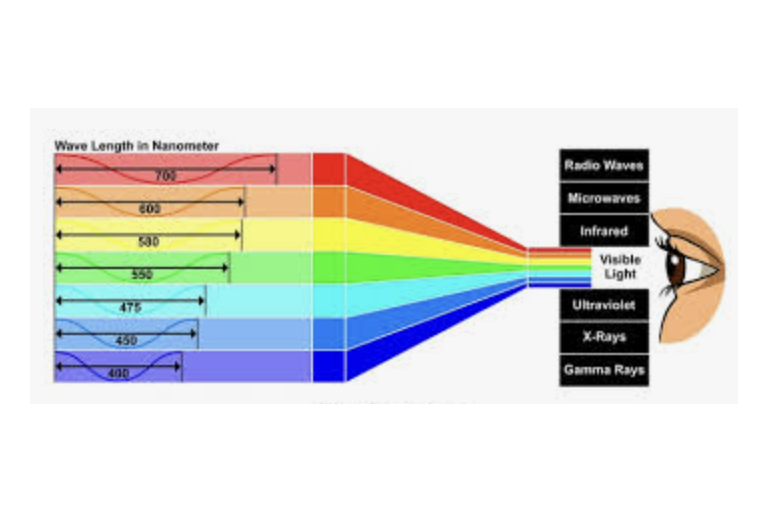
              Learning Goals: By the end of this lesson you will be able to what is light how light is produced Success Criteria: By the end of this lesson you will be able to Electromagnetic waves travel at the speed of light in a vacuum and do not require a medium for transmission. Light is an electromagnetic wave. The electromagnetic spectrum consists of light listed according to its different energy levels. The order from least energy to most energy is radio waves, microwaves, infrared light, visible light, ultraviolet light, X-rays, and gamma rays. White light is composed of a continuous spectrum of colours. Incandescence is light emitted when a material has been heated. Light from an electric discharge is caused by passing an electric current through a gas. Assignments / Homework: AS /FOR ASSESSMENT Observation: during group work & discussion CW1-Lesson 2.2- Bill Nye – Optics ANS-CW1-Lesson 2.2- Bill Nye – Optics CW-02 - Introduction to Light Note CW3 - Sources of Light Note FOR ASSESSMENT HW- Electromagnetic Spectrum WS

            • MIDTERM
              MIDTERM
            • Lesson 2.3-Rays and Plane Mirrors
              Lesson 2.3-Rays and Plane Mirrors

              Lesson 2.3-Rays and Plane Mirrors

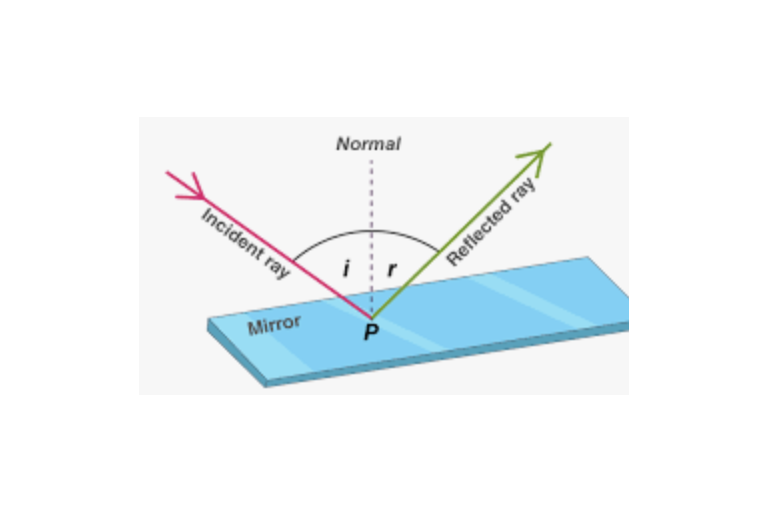
              Learning Goals: By the end of this lesson you will be able toĀ· Ray model of light Ā· The law of reflection Images in plan mirrorsSuccess Criteria: By the end of this lesson you will be able toĀ· Light rays are used to represent the direction and path in which light is travelling. Ā· Geometric optics uses light rays to determine how light behaves when it strikes objects. Ā· When light is reflected off a plane mirror, the angle of incidence equals the angle of reflection. Ā· When a light ray strikes a plane mirror, the incident ray, the reflected ray, and the normal all lie on the same plane. Ā· When reflected light off a plane mirror enters your eyes, your brain projects these rays backwards to form an apparent light source located behind the mirror. Ā· A virtual image is formed by the apparent light source because no light rays are actually arriving at or coming from the image location.Assignments / Homework: AS /FOR ASSESSMENT Observation: during group work & discussion CW1-Drawing Light Rays _ The Law of Reflection CW2- Plane Mirrors Note FOR ASSESSMENT HW1- Key Term note- Rays and Plane Mirrors HW2- Light Rays _ The Laws of Reflection Note OF assessment: Midterm Presentation cont. (28 marks)

            • Lesson 2.4 - Curved Mirrors (Concave mirror and Convex mirror)
              Lesson 2.4 - Curved Mirrors (Concave mirror and Convex mirror)

              Lesson 2.4 - Curved Mirrors (Concave mirror and Convex mirror)

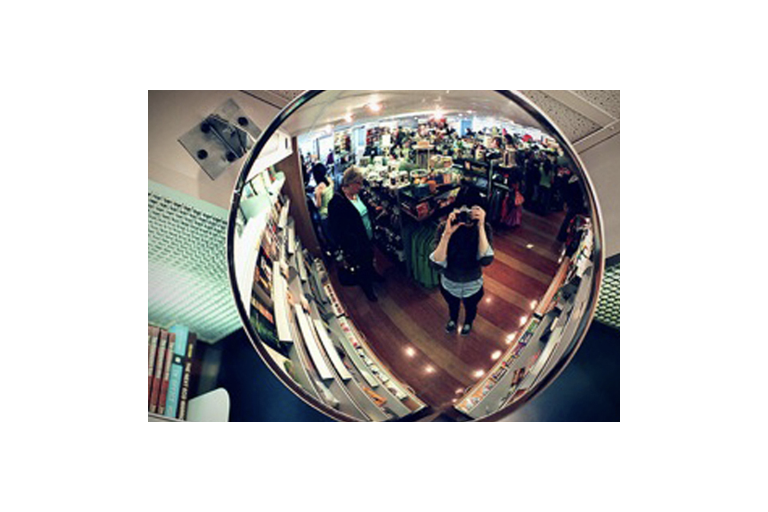
              Learning Goals: By the end of this lesson you will be able to Images in curved mirrors: concave and convex Solve mirror lab problem in a virtual lab Success Criteria: By the end of this lesson you will be able to A converging (concave) mirror has its focus on the same side as the object; a diverging (convex) mirror has its focus behind the mirror. A light ray that is parallel to the principal axis of a curved mirror is reflected through the focus (F); if the mirror is diverging (convex), parallel rays are reflected away from the virtual focus, which is behind the mirror. At least two incident rays are drawn to determine whether or not an image is formed and, if so, its characteristics. These rays usually originate from the top of the object. A converging (concave) mirror produces an inverted, real image if the object is beyond F; if the object is at F, no image is formed; and if the object is between F and the mirror, a larger, upright, virtual image is formed. A diverging (convex) mirror always produces a smaller, upright, virtual image. Assignments / Homework: AS /FOR ASSESSMENT Observation: during group work & discussionCW-Lesson 2.4-Concave Mirrors WorksheetCW-Lesson 2.4- Convex Mirrors WorksheetTextbook exercise
            • Lesson 2.5-Curved Mirrors math problem
              Lesson 2.5-Curved Mirrors math problem

              Lesson 2.5-Curved Mirrors math problem

              Learning Goals: By the end of this lesson you will be able to Images in curved mirrors: concave and convex Mirror equation (Concave and Convex) Solve math problem related to mirror equation Success Criteria: By the end of this lesson you will be able to A light ray that is parallel to the principal axis of a curved mirror is reflected through the focus (F); if the mirror is diverging (convex), parallel rays are reflected away from the virtual focus, which is behind the mirror. At least two incident rays are drawn to determine whether or not an image is formed and, if so, its characteristics. These rays usually originate from the top of the object. A converging (concave) mirror produces an inverted, real image if the object is beyond F; if the object is at F, no image is formed; and if the object is between F and the mirror, a larger, upright, virtual image is formed. A diverging (convex) mirror always produces a smaller, upright, virtual image.Assignments / Homework: AS /FOR ASSESSMENT Observation: during group work & discussion CW-Lesson 2.5-Mirror equation math problem solution Chapter#11 (Textbook) Pg# 424 and Pg# 425 OF assessment (10+10=20 marks) Quiz 10.3 The Ray Model of Light Chapter 10 Review Quiz

            • Lesson 2.6 - Lenses and Eyes
              Lesson 2.6 - Lenses and Eyes

              Lesson 2.6 - Lenses and Eyes

              Learning Goals: By the end of this lesson you will be able toLenses and the Formation of ImagesImages in LensesThe Lens EquationLens ApplicationThe Human Eye Success Criteria: By the end of this lesson you will be able toA converging lens brings parallel light rays together through a focus after refraction.A diverging lens spreads parallel light rays apart after refraction so that it looks as if they have come from a virtual focus.The principal focus of a converging lens is on the opposite side of the lens as the incident rays.The principal focus of a diverging lens is on the same side of the lens as the incident rays.A converging lens produces both real and virtual images. The image size and attitude will vary depending on the location of the object.A diverging lens always produces a smaller, upright, virtual image.Thin lens equationMagnification equation Assignments / HomeworkAS assessmentTextbook questions Answer the following questions in your notebook: [Chapter 11.9-11.11] Pg# 455 (Chapter 11.9) Q 1-3 Pg# 456 (Chapter 11.10) Q 1-3 Pg# 457 (Chapter 11.11) Q 1-3FOR assessmentHW-Lesson#2.6-The eye

            • Lesson 2.7-Refraction and Total Internal Reflection
              Lesson 2.7-Refraction and Total Internal Reflection

              Lesson 2.7-Refraction and Total Internal Reflection

              Learning Goals: By the end of this lesson you will be able toRefractionIndex of refractionTotal internal reflection Success Criteria: By the end of this lesson you will be able toRefraction is the bending or change in direction of light when it travels from one medium into another.The speed of light depends on the medium that it is passing through.Light bends toward the normal when it slows down in a medium and away from the normal when it speeds up in a medium.Light can undergo partial reflection and refraction at the same time at a surface.The index of refraction for a medium is defined as the ratio of the speed of light in a vacuum to the speed of light in that medium; it is a dimensionless quantity.Mathematically, the index of refraction is defined as n = c = speed of light in vacuum speed of light in the medium Speed of light in vacuum = 3.00 Ɨ 108m/s Assignments / Homework: (AS assessment)CW- Refraction Calculations WorksheetCW- Refraction NotesGroup study:Unit#2-Physics Exam Review

            • Lesson-Gizmos Lab-Atom to periodic table
              Lesson-Gizmos Lab-Atom to periodic table

              Lesson-Gizmos Lab-Atom to periodic table

              Learning Goals: By the end of this lesson, you will be able toOrganized element in their periodicityWrite down the electron configuration of some elementsUnderstand isotopes and how adding proton or neutron numbers can change the element types

            • Unit 3 - Earth and Space Science- (11 hours)

              Unit Description:In this unit, students will demonstrate an understanding of factors that influence Earth’s climate and contribute to climate change or stability. They will independently investigate and evaluate the validity of evidence of climate change and those natural and human factors involved. They will analyze some of the effects of climate change around the world, and assess the effectiveness of initiatives that attempt to address the issue of climate change. They will report their findings in manners conventionally accepted in the scientific community.Overall Expectations:D1. analyze some of the effects of climate change around the world, and assess the effectiveness of initiatives that attempt to address the issue of climate change;D2. investigate various natural and human factors that influence Earth’s climate and climate change;D3. demonstrate an understanding of natural and human factors, including the greenhouse effect, that influence Earth’s climate and contribute to climate change.Unit Goals:By the end of this unit, you will be able to answer following question:o Learn about the effects of climate changeo Learn about the influence of human activities on climate changeo Understand the factors that contribute to climate changeAssessment OF Learning Summary:Unit Test (P,C)News video (Group assignment)
              Unit 3 - Earth and Space Science- (11 hours)
              • Not available
              • Lesson 3.1- Climate Change
                Lesson 3.1-  Climate Change

                Lesson 3.1- Climate Change

                Learning Goals: By the end of this lesson you will be able toLearn about the effects of climate changeLearn about the influence of human activities on climate changeUnderstand the factors that contribute to climate change Success Criteria: By the end of this lesson you will be able toDistinguish between climate and weatherIdentify the natural cause of climate changeIdentify human cause of climate changeUnderstand the reason for recent drastic increase in temperatureIdentify the effects of climate change on Earth and in human livesIdentify actions to slow climate changeExplore climate change in various regions of the world Assignment (AS assessment)CW-Climate Change 101 with Bill Nye

              • Lesson 3.2- Climate change-Part 2
                Lesson 3.2- Climate change-Part 2

                Lesson 3.2- Climate change-Part 2

                Learning Goals: By the end of this lesson you will be able toLearn about the effects of climate changeLearn about the influence of human activities on climate changeUnderstand the factors that contribute to climate change Success Criteria: By the end of this lesson you will be able toDistinguish between climate and weatherIdentify the natural cause of climate changeIdentify human cause of climate changeUnderstand the reason of recent drastic increase in temperatureIdentify the effects of climate change on Earth and in human livesIdentify actions to slow climate changeExplore climate change in various regions of the world Assignments / Homework:CW-lesson-3.2-weather-climate-and-suns-power HW-lesson-3.2-impacts-of-climate-change

              • Lesson 3.3-Greenhouse-effect and its impacts
                Lesson 3.3-Greenhouse-effect and its impacts
              • Lesson 4.2-Cell Division
                Lesson 4.2-Cell Division

                Lesson 4.2-Cell Division

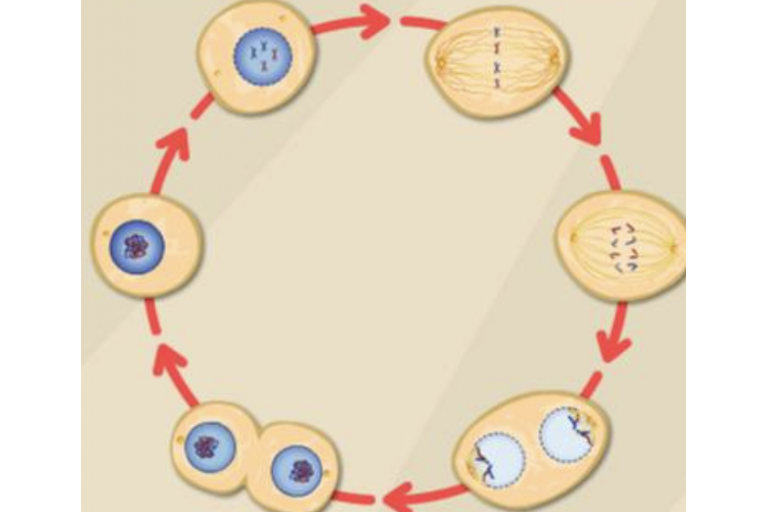
                Learning Goals: By the end of this lesson you will be able toThe Importance of Cell DivisionThe Cell CycleSpecialized Cells Success Criteria: By the end of this lesson you will be able too Cells undergo cell division for reproduction, growth, and repair. o Reproduction involves the transfer of genetic information from the parent(s) to the off spring. o As multicellular organisms grow, their cells duplicate their genetic information and divide. o Chemicals diffuse into, throughout, and out of cells. This process must happen quickly enough for the cell to function. o When part of an organism is damaged, the remaining cells divide to repair the injury. o Cells follow a cell cycle that includes growth and preparation for division (interphase) followed by cell division (mitosis and cytokinesis).Assignments / Homework:CW-Cell division diagramHW-SNC2D-Bio-Lesson#2-(Cell Division Explained)Pair work-CW-Bio- QUIZ1 (Microscopes & Cells)

              • Lesson 4.4-Human organ system 2 and Plant system
                Lesson 4.4-Human organ system 2 and Plant system

                Lesson 4.4-Human organ system 2 and Plant system

                Learning Goals: By the end of this lesson you will be able toLimit to 5 maximum.Success Criteria: By the end of this lesson you will be able toLimit to 5 maximum.Each lesson must include at least the following (these go between glossary and Discussion forum)- (10-15 minutes Lecture Segment follow by 20-30 minutes activity) x 3- Lesson Assignment/Homework (FOR and/or AS)and the following

              • Course Review
                Course Review
              • Final Evaluation (30%)
                Final Evaluation (30%)
              Skip Search forums

              Search forums

              Advanced search
              Skip Upcoming events

              Upcoming events

              OSSLT Test Day - Spring 2026 Test
              Thursday, 16 April, 9:13 AM

              P2 Report Finalization (term 4)
              Wednesday, 29 April, 10:47 AM

              Withdraw from a Course Deadline (term 4)
              Thursday, 30 April, 10:47 AM

              Last Day of Term 4 & Final Exam
              Friday, 1 May, 10:48 AM

              Go to calendar...
              Skip Recent activity

              Recent activity

              Activity since Friday, 10 April 2026, 12:18 PM
              Full report of recent activity...

              No recent activity

              Data retention summary