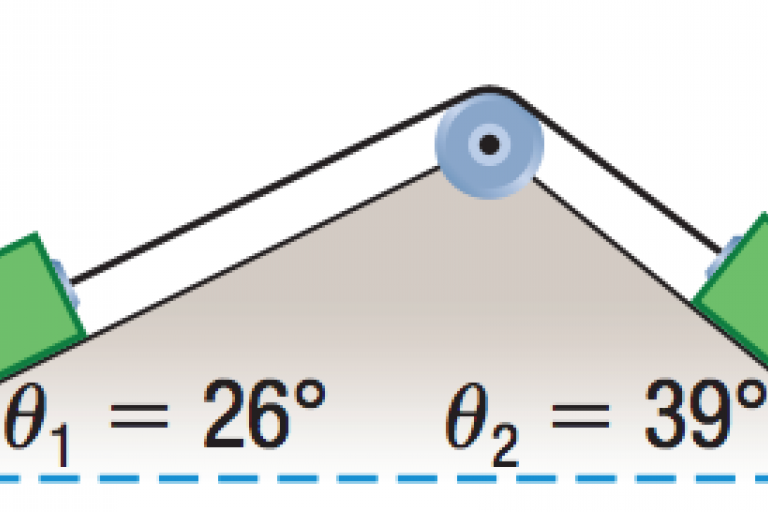
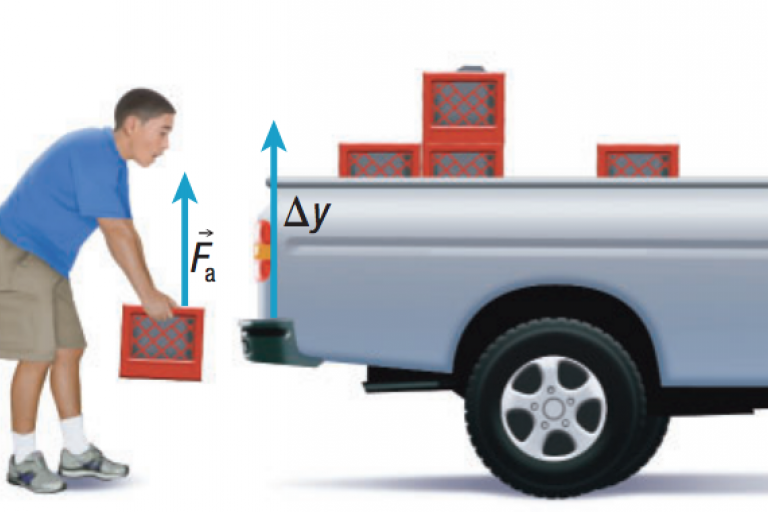
- Analyse technological devices that apply the principles of the dynamics of motion, and assess the technologies' social and environmental impact; investigate, in qualitative and quantitative terms, forces involved in uniform circular motion and motion in a plane, and solve related problems; demonstrate an understanding of the forces involved in uniform circular motion and motion in a plane.

- Lesson 1.1 - Motion graphs (Ch1.1)

Lesson 1.1 - Motion graphs (Ch1.1)
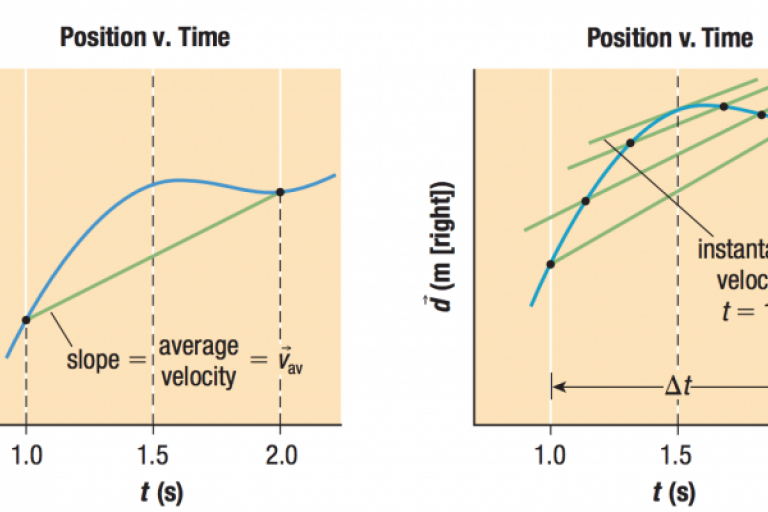
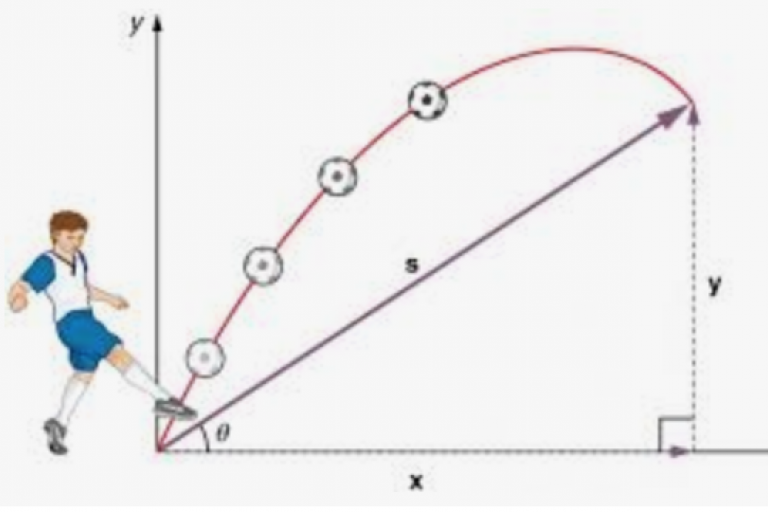
In Section 1.1: Motion and Motion Graphs, you will explore this Key Concept: solve one-dimensional and two-dimensional motion problems involving average speed and average velocity. You will also learn these Key Terms: kinematics, dynamics, scalar, vector, position, displacement, average speed, velocity, average velocity, secant, tangent, instantaneous velocity, instantaneous speed, average acceleration, instantaneous acceleration.
- Lesson 1.2 - Equations of motion (Ch1.2 - 1.4)

Lesson 1.2 - Equations of motion (Ch1.2 - 1.4)
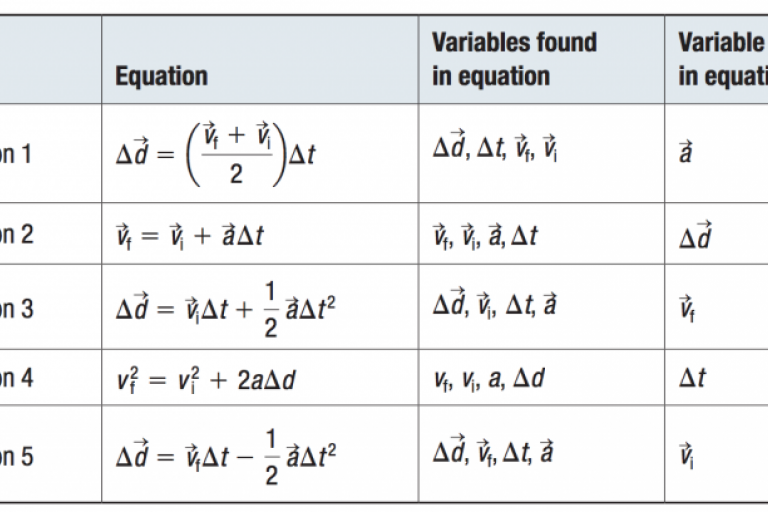
In Section 1.2: Equations of Motion, you will explore this Key Concept: calculate average acceleration using vector subtraction in two dimensions. You will also learn this Key Term: free fall.
- Lab 1: Acceleration Due to Gravity
Lab 1: Acceleration Due to Gravity
In this experiment you will create and analyze graphs that describe the motion of a falling mass.
- Lesson 1.4- Newton's Laws of Motion (Ch2.1 - 2.2)

Lesson 1.4- Newton's Laws of Motion (Ch2.1 - 2.2)
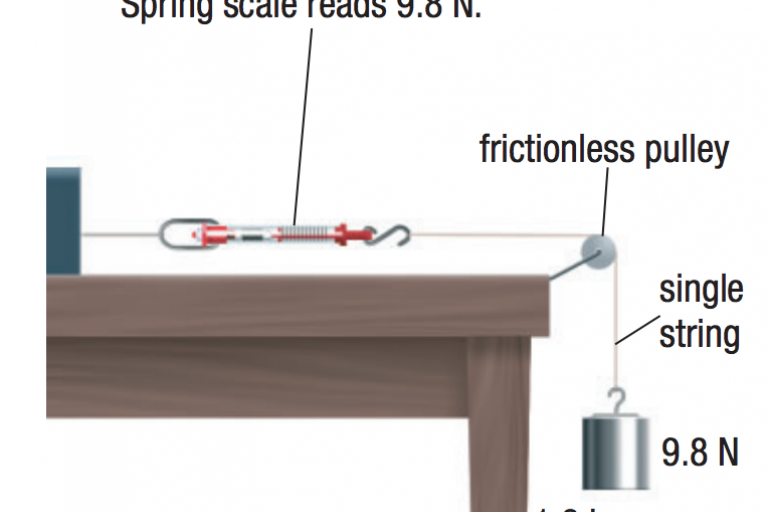
Learning Goal B2.3 – Students will analyse, in qualitative and quantitative terms, the relationships between forces and solve related problems in two dimensions using free-body diagrams and vector components.
- Lab 2 - Centripetal Acceleration
Lab 2 - Centripetal Acceleration
In this lab, you will examine the relationship betwee centripetal acceleration and angular velocity.
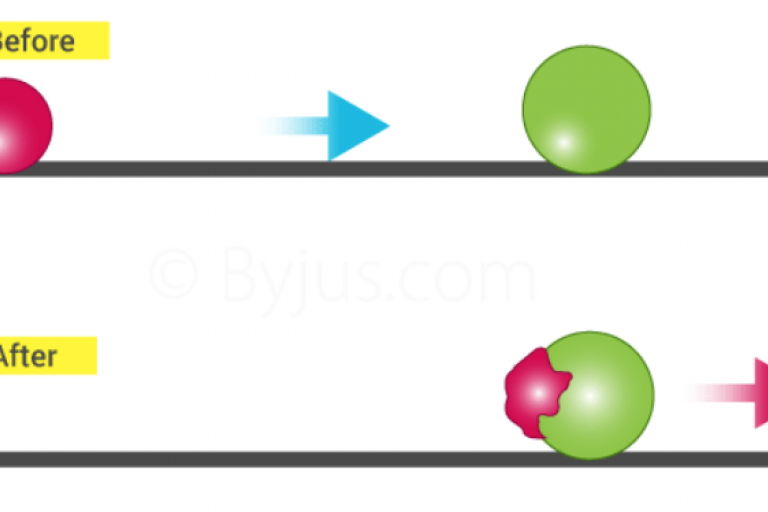
- In this unit, students will analyse, and propose ways to improve, technologies or procedures that apply principles related to energy and momentum, and assess the social and environmental impact of these technologies or procedures; investigate, in qualitative and quantitative terms, through laboratory inquiry or computer simulation, the relationship between the laws of conservation of energy and conservation of momentum, and solve related problems; demonstrate an understanding of work, energy, momentum, and the laws of conservation of energy and conservation of momentum, in one and two dimensions.
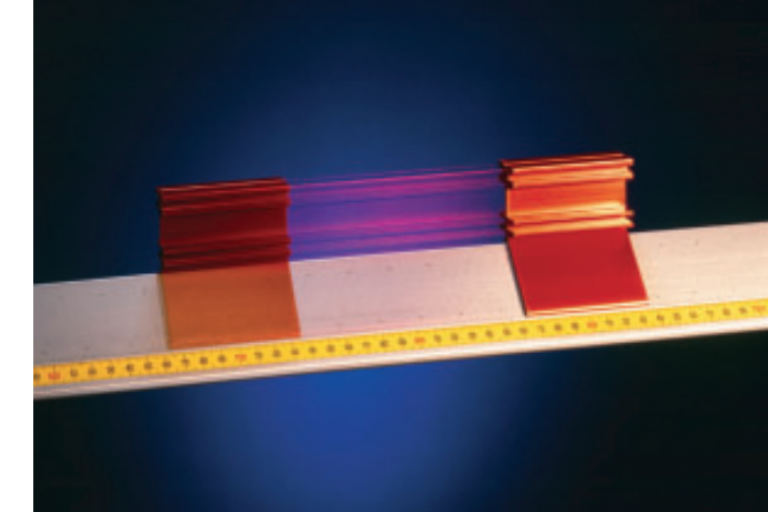
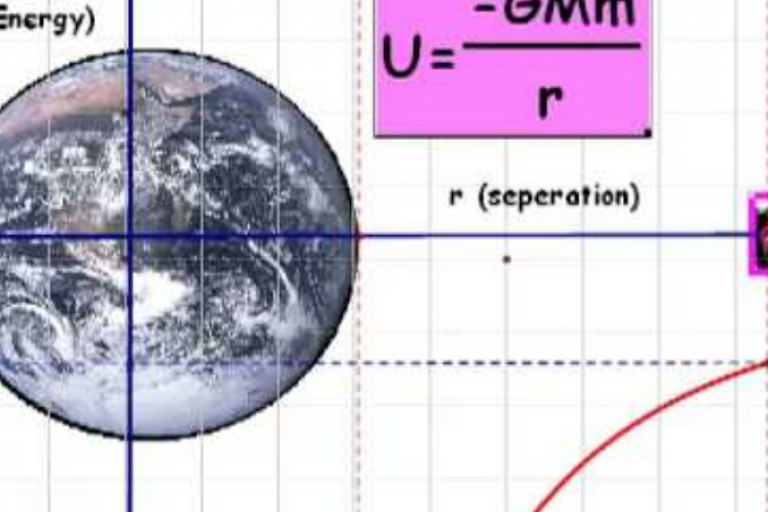
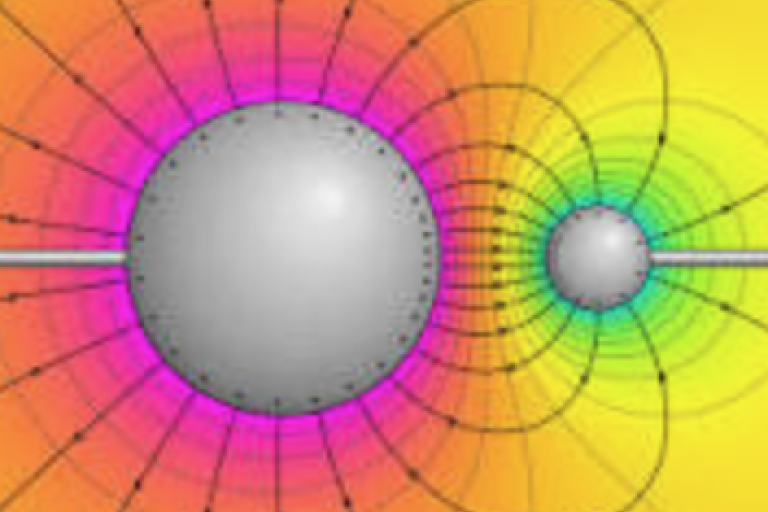
- In this unit, students will analyse the operation of technologies that use gravitational, electric, or magnetic fields, and assess the technologies' social and environmental impact; investigate, in qualitative and quantitative terms, gravitational, electric, and magnetic fields, and solve related problems; and demonstrate an understanding of the concepts, properties, principles, and laws related to gravitational, electric, and magnetic fields and their interactions with matter.
- Lesson 3.3 - Chapter 6 Review

Lesson 3.3 - Chapter 6 Review
- Read "Research - Space Junk" and sample answer is attached below - NASA official website: https://www.nasa.gov/mission_pages/station/main/index.html
- Lesson 3.4 - Coulomb's Law and Electric Field

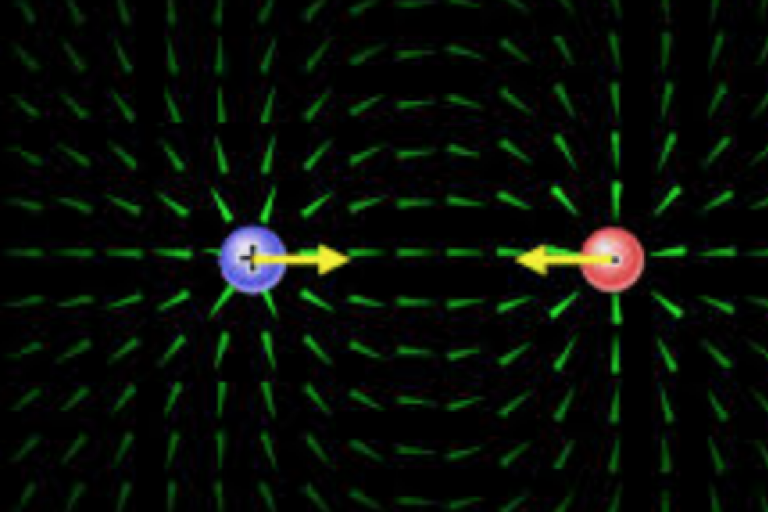
Lesson 3.4 - Coulomb's Law and Electric Field
Today's To-Do-List:1. Lecture on Chapter 7.1 - 7.3 - Coulomb's Law and Electric field due to single charge Video 7.1 video 7.2 Video 7.3 Video2. Students work on the following during independent study period: 1) Read textbook 7.1 and be able to answer the following questions: - What is "Law of electric charges" and "Law of conservation of charge"? - Differentiate conductor and insulator - What are the different ways to charge a conductor, i.e., by friction, by placing charge directly, by induction, etc... 2) Work on 7.1 - 7.3 textbook questions (see below)
- Lesson 3.7 - Millikan Oil Drop Experiment

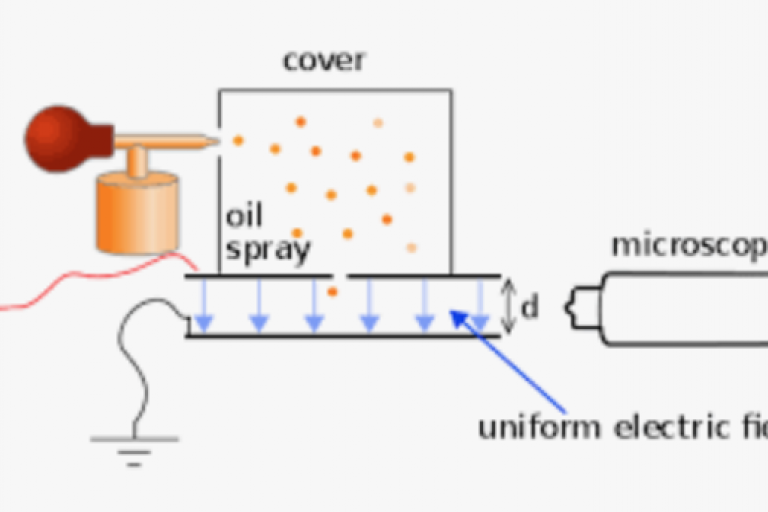
Lesson 3.7 - Millikan Oil Drop Experiment
Date: Feb 10, 2022 05:24 PM Eastern Time (US and Canada)Recording:https://edu4u.zoom.us/rec/share/hx2yL8bAgovitr3LIulty9WAM5fZWKmqJnBWrDd1HfTTT7gM6JECR2jAtsn6vtJE.mh-DL96KR4N64N4pAccess Passcode: mSf1BKE^
- Lesson 3.8 - Magnetic field and magnetic force on moving charge

Lesson 3.8 - Magnetic field and magnetic force on moving charge
Today's To-do-list: 1. Lecture on chapter 8.1 and 8.2: introduce magnetic filed, right hand rules, and calculate force on moving charge. 8.1 video: https://www.youtube.com/watch?v=5hlqvPX7YtY 8.2 video: https://www.youtube.com/watch?v=0k7A6KaZ1Gc 8.1 solution: http://panchbhaya.weebly.com/uploads/1/3/7/0/13701351/phys12_sm_08_1.pdf 8.2 solution: https://panchbhaya.weebly.com/uploads/1/3/7/0/13701351/phys12_sm_08_2.pdf2. Complete Chapter 6 - 7 Assignment, work on Unit 3 Presentation and e-Portfolio
- In this unit students will analyse technologies that use the wave nature of light, and assess their impact on society and the environment; investigate, in qualitative and quantitative terms, the properties of waves and light, and solve related problems; demonstrate an understanding of the properties of waves and light in relation to diffraction, refraction, interference, and polarization.